
Green Image Landscape Services
Landscape Drainage Services
Soggy lawn, exposed roots or runoff problems? Start with a drainage solution shaped around your property.
Built around your property
Address the cause—not just the puddle.
Standing water and erosion can make an otherwise beautiful yard difficult to enjoy. Our team looks at issues such as soggy spots, gullies, exposed roots and damp basements to understand where water is going.
From an ongoing drainage problem to improvements for storm runoff, we help you explore practical ways to manage water while keeping the landscape in mind.
The details that matter
Options for managing water
Drains & downspouts
French drains and gutter or downspout solutions help collect and direct water.
Landscape-based solutions
Rain gardens, swales and bio-swales can become part of the landscape’s design.
Grading & permeable surfaces
Grading, stormwater collection and removal, and decorative permeable pavement provide additional options.
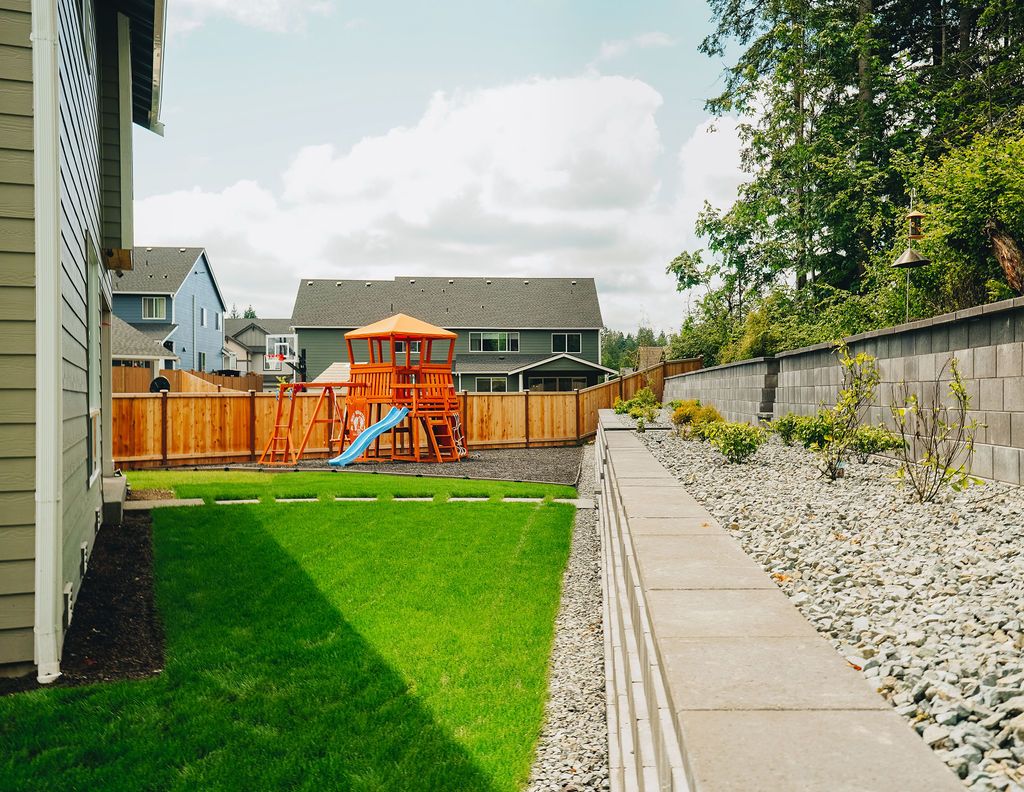
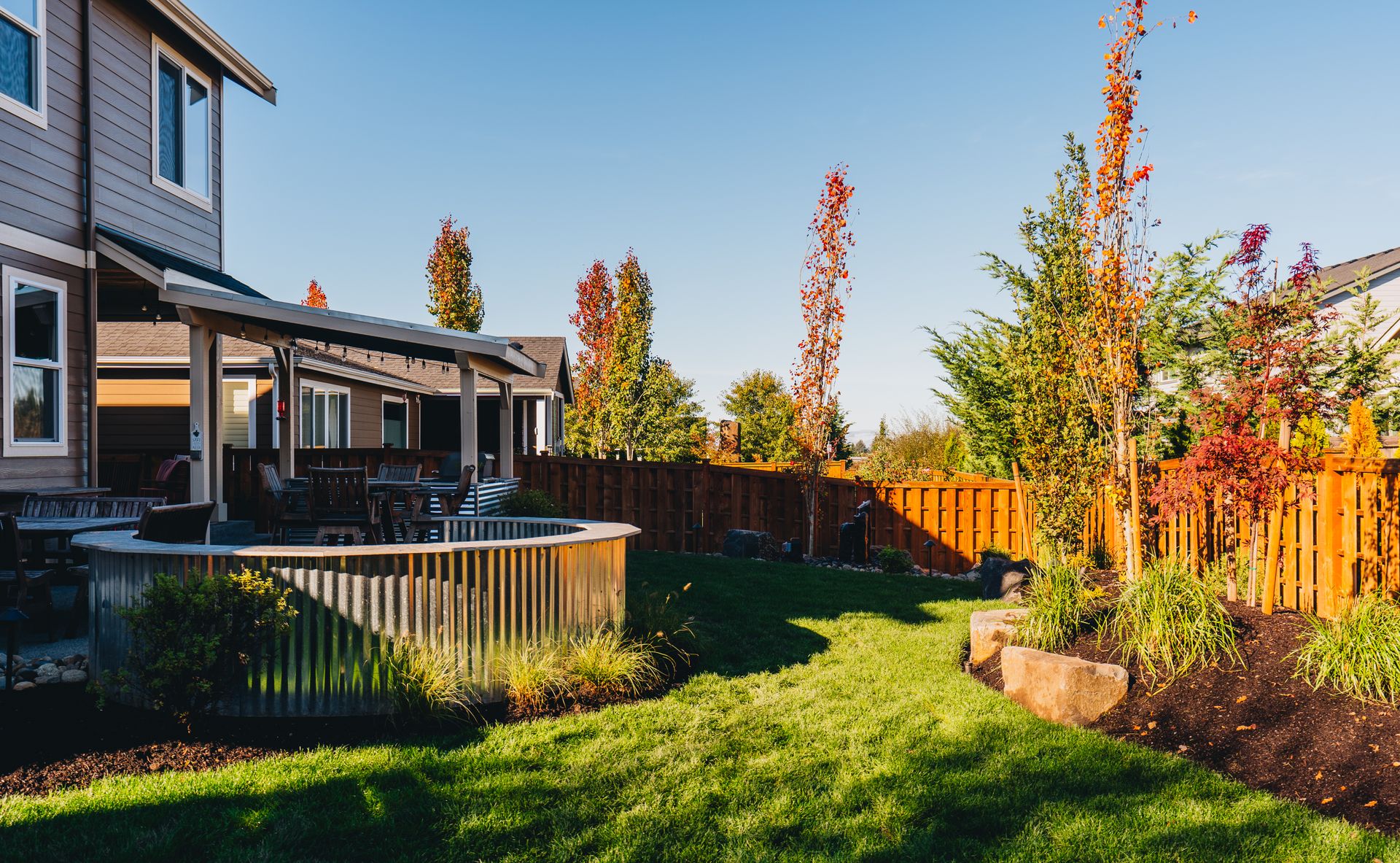
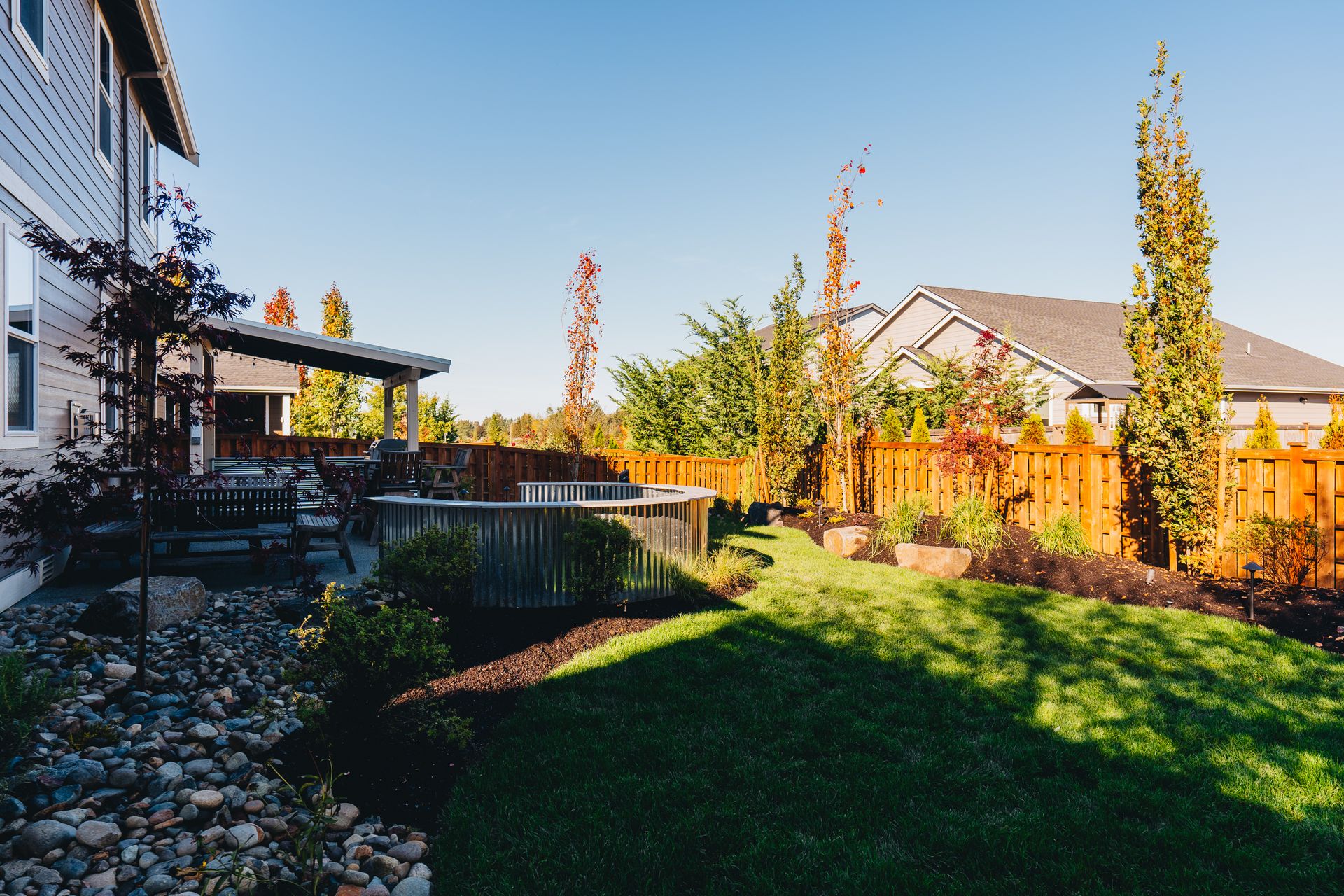
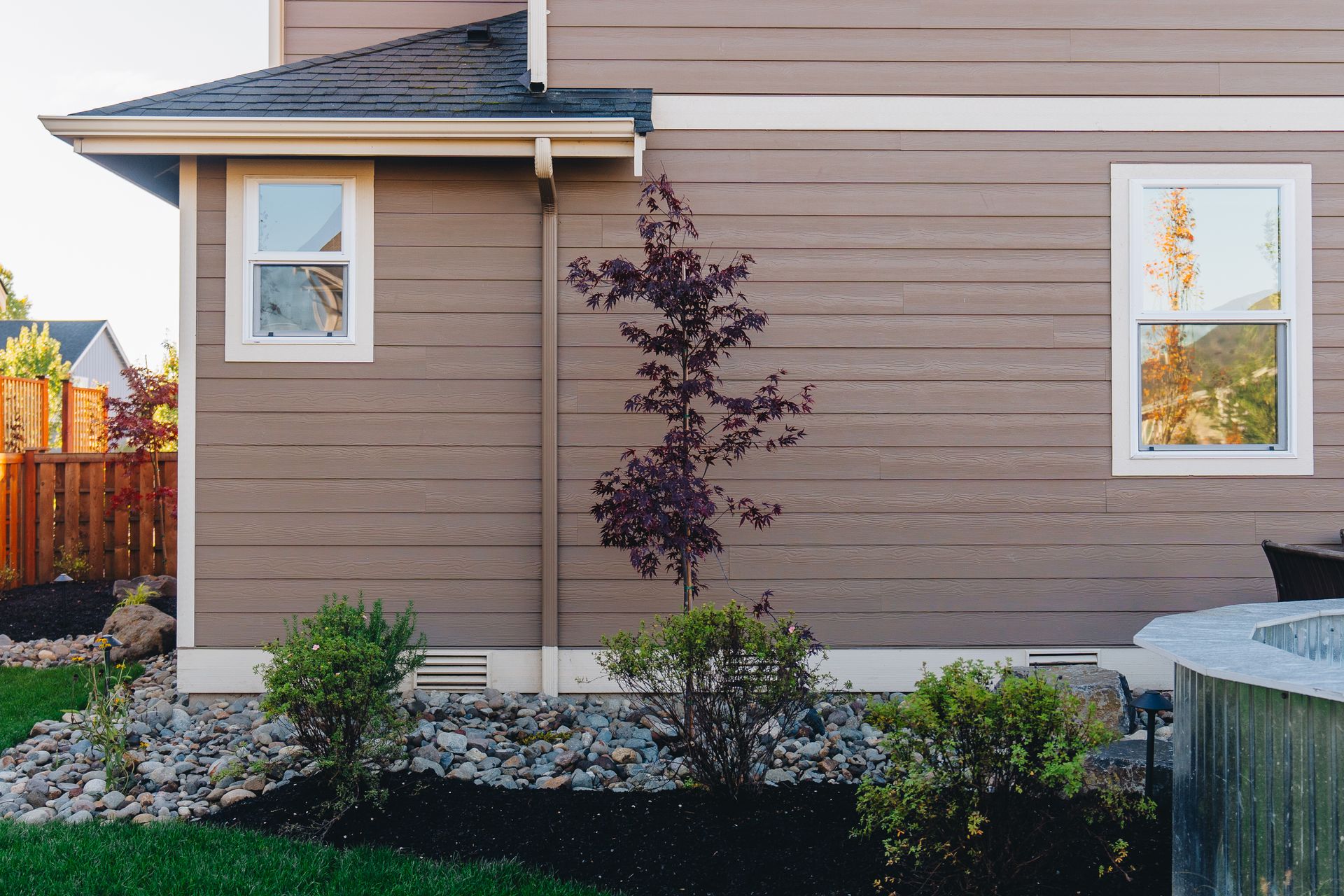
Every drainage issue is different. Contact us to discuss what you’re seeing and arrange a free estimate. The gallery below shows our landscape work, rather than hidden drainage installations.
Choosing what is right for your yard
Choose drainage around the problem—not a single product
Surface water and saturated soil need different approaches
Water running across a patio or pooling in a low spot is different from soil that remains saturated below the surface. Roof runoff, compacted soil, slopes and surrounding grades can all contribute. Understanding where water originates and where it can legally go is the starting point—not assuming every wet yard needs a French drain.
French drains versus grading and swales
A French drain uses a gravel-filled trench and a collection pipe to intercept water below or near the surface. Grading and swales guide surface runoff along a planned route. These approaches can work together, but neither succeeds without a suitable outlet and careful attention to the house, neighboring properties and existing utilities.
Rain gardens and permeable surfaces
A rain garden can collect runoff and allow it to soak into suitable soil, while adding planting to the landscape. Permeable paving uses a purpose-built surface and base to manage water. Both depend on soil infiltration, space, setbacks and site conditions; they are not automatic fixes for every property or substitutes for a drainage assessment.
What to document before an estimate
Photos or video during rain can show flow paths that are invisible on a dry visit. Record where puddles form, how long they remain and whether the problem follows roof runoff or heavy storms. Keep drain inlets clear of leaves and debris. Water entering a basement may also require evaluation beyond landscape drainage.
Before you decide
Common questions about landscape drainage services
Project gallery
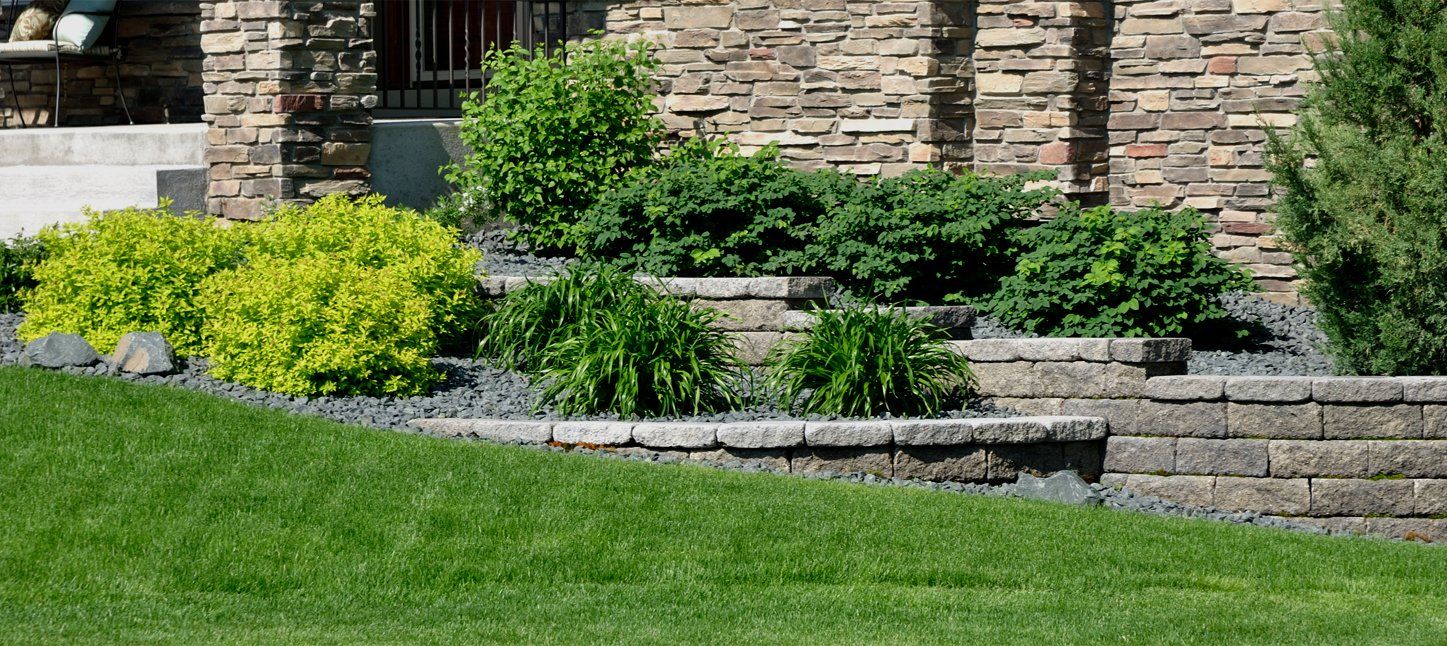
A closer look at our work
Complete your outdoor space
Your next project
Let’s talk about your outdoor space.
Free estimates. Serving South King County, WA, and Pierce County, WA.